{rupali-icon-text}Euthanasia: the hidden price tag
27 April 2026
Updated 5 months ago
In the debate over euthanasia, we are often told that it is simply a matter of choice — an act of compassion, a final gesture of autonomy. But when we look more closely, through the lens of faith, morality and the way society values human life, the picture becomes far more complicated.
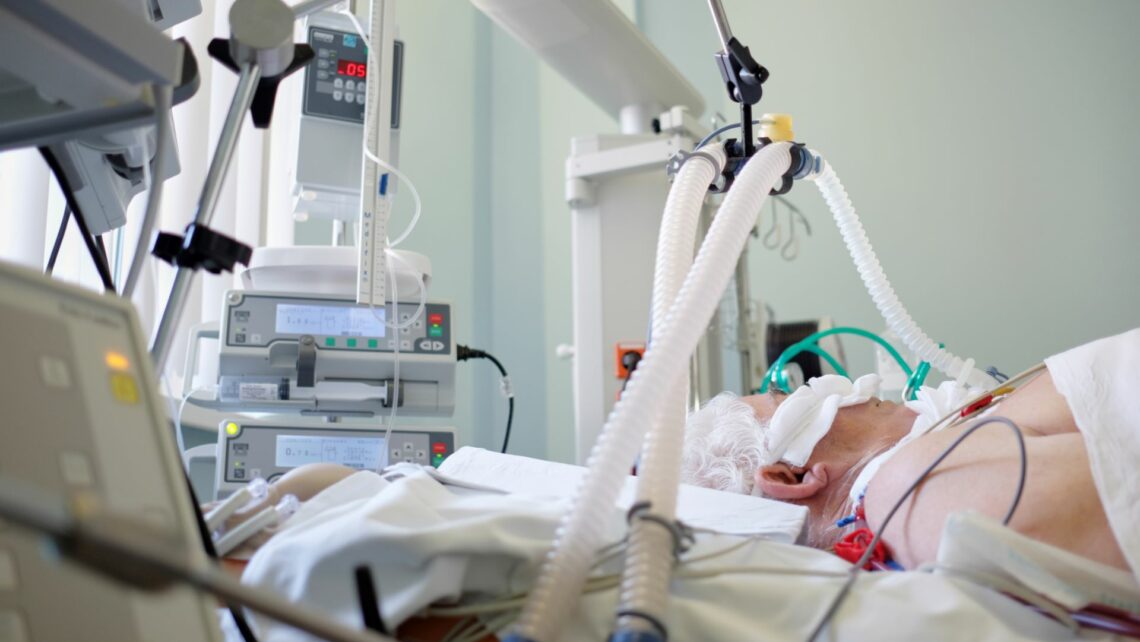
A patient in an ICU
Across many religious traditions, life is regarded as sacred. Christianity, Judaism, Islam and others teach that life is not something we own outright, but something entrusted to us. The deliberate ending of a life — whether our own or someone else’s — is not merely inconsistent with these teachings; it strikes at the very heart of them. It raises profound questions about whether we have the moral authority to decide when a life should end.
From a moral standpoint, euthanasia risks redefining what it means to live with dignity. If dignity becomes tied only to independence, productivity or the absence of suffering, then what message do we send to those who are elderly, disabled or seriously ill? That their lives are somehow less valuable? That they are burdens rather than human beings deserving of care, respect and presence?
There is also a practical reality that cannot be ignored. When euthanasia is introduced into a healthcare system, financial incentives inevitably enter the conversation. The state saves money when people die earlier — money that would otherwise be spent on long‑term care, medical treatment, housing costs and pensions, to name a few. And while no one may intend for cost saving to influence decisions, the very existence of that incentive creates a dangerous pressure point. It risks turning a deeply personal moment into a calculation, where the value of a life is weighed against the cost of sustaining it.
For those who are vulnerable — those who feel like a burden, those who are frightened, those who rely on others for daily care — this pressure can be subtle, unspoken, but very real. A ‘choice’ made under such circumstances is not always as free as it appears.
Religious teachings remind us that compassion is not expressed by ending a life, but by supporting it. True compassion means investing in end‑of‑life care, ensuring that no one faces pain or fear alone, and affirming that every life retains its worth, even in its most fragile moments.
Morally, we must ask what kind of society we wish to be. One that responds to suffering by eliminating the sufferer? Or one that responds with deeper commitment, better care and a recognition that every person — regardless of age, illness or dependency — possesses inherent value?
Euthanasia may seem like a simple solution to complex problems. But the moral and religious traditions that have guided humanity for centuries urge caution. They remind us that life is precious, that suffering does not diminish a person’s worth, and that our duty is not to hasten death, but to accompany one another with compassion, dignity and unwavering care until life reaches its natural end.
In the end, this debate is not only about policy. It is about who we are, what we believe and how we choose to treat one another when it matters most.